When you sit down at a Hold'em table, the spot you choose shapes every decision you make long before the cards hit the felt. That is why poker position strategy explained properly matters more than most beginners realise, especially when you are trying to build a steady edge rather than chase a quick thrill. I have spent years watching acquisition funnels and community growth across the Stake and Kick ecosystem, and the players who last are usually the ones who treat position like a traffic light system: early spots mean caution, late spots mean control. If you are playing on a phone between footy drills or after a shift in Newcastle, the same principle holds, but the pace changes.
From early seats you must tighten your range and proceed with caution, while late position rewards patience with far more profitable opportunities. Mastering these positional nuances will keep your bankroll intact and your decisions sharp. You can also explore additional strategic frameworks and game theory breakdowns at https://spinsamuraireviews.com/ to further refine your approach.
| Detail | What it means at the table |
|---|---|
| Early position | Fewer hands, tighter ranges, more folding |
| Middle position | Selective opening, watch for raises behind |
| Late position | Wider ranges, more bluffing, more value bets |
| Button | Best seat, most information, most post-flop control |

The first thing worth sorting out is how position changes what you actually play. In early position, you are one of the first to act post-flop, which means you have less information and more uncertainty, so your opening range should stay narrow and your folds should come quickly when the board turns messy. Move to the cutoff or the button, and the dynamic flips: you get to see what the players behind you do before you commit, which lets you steal blinds more often and take wider, more profitable flops. I have seen community managers and acquisition leads in the Stake and Kick ecosystem talk about this the same way they talk about onboarding flows - if the first step is too loose, people burn out fast, and if it is too tight, they never stick around. The middle ground is where retention happens, and the same logic applies to your preflop charts. When you are playing on mobile during an arvo session, the temptation is to open too many hands because the screen feels casual, but the discipline of folding from early seats is what keeps your stack stable. You do not need fancy software to notice the pattern; you just need to track how often you regret entering a pot from the wrong seat. The real skill is learning to treat each position as a different job, not the same job with a different chair.
Once you are sitting late, the game becomes less about your cards and more about the story the other players are telling. A late position gives you the chance to control pot size, apply pressure with well-timed raises, and extract value when you hit a strong hand, because you know exactly who is left to act and how they have behaved on earlier streets. That is where position strategy starts to feel like a reading exercise rather than a math exercise, and it is also where a lot of players overcomplicate things by trying to bluff every time they miss. In my experience running acquisition and community growth around the Stake and Kick ecosystem, the audiences that grow fastest are the ones that reward consistency over spectacle, and the same holds on the felt: a disciplined late-position player wins by picking the right spots to push, not by forcing action just because they are on the button. If you are watching a local Newcastle pub league on the side or checking results between sessions, you will notice how much of the action hinges on timing and patience, and poker works the same way. You want to use your seat to gather information, then act on it, rather than acting first and hoping the information sorts itself out later. That approach keeps you out of tricky post-flop jams and gives you a clearer path to a sensible result.
For a lot of Australian players, the practical side of position strategy has to fit around a phone screen, a busy week, and the reality that you cannot always sit down for a full, uninterrupted session. When you are playing on mobile, the temptation is to chase pots from early position because the interface feels quick and the stakes look small, but the same positional discipline still applies, and it matters even more when you are squeezing in a session after work or during a break in the week. I have watched community and acquisition teams in the Stake and Kick ecosystem build retention around clear expectations and steady habits, and that is exactly the kind of mindset that helps you treat position as a filter instead of a free pass to play more hands. A sensible approach means setting a session limit before you log in, checking that you meet the eligibility and verification steps required by the operator, and making sure any bonus activation is understood before you put your first deposit in, because position strategy only works when the rest of your setup is not working against you. If you are in Newcastle or anywhere else in Australia, you should also remember that offshore poker is not licensed or regulated here, so the safeguards you rely on are the ones you set for yourself: time limits, loss limits, and a clear stop point when a session stops feeling like a game and starts feeling like a grind. That is the kind of balance that keeps the game enjoyable and the decisions clean.
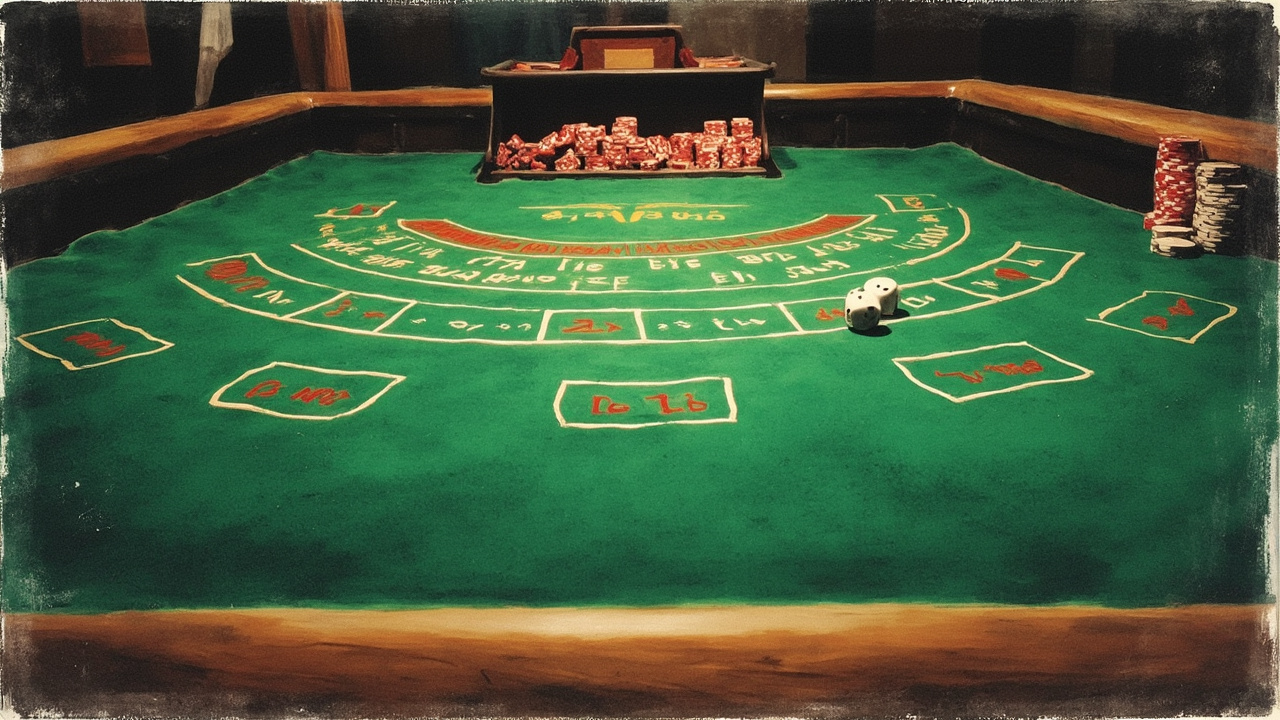
One useful way to think about the whole setup is to treat position as a filter, not a promise, and let the rest of your session planning do the heavy lifting. Emily Fraser, Digital Acquisition Director, Harbour Bet Insights, has put it neatly: “Position gives you information, not certainty, so the players who win long term are the ones who pair late-seat control with tight preflop discipline instead of trying to make every seat do the same job.” Sienna Hall, Gaming Technology Consultant, Kangaroo Point Analytics, adds a useful caveat: “Mobile play speeds up the rhythm, which means position strategy has to be paired with clear session limits and proper verification, because a fast interface does not change the fact that early-position hands still carry more risk.” When you keep those two points in mind, poker position strategy explained as a practical system starts to look less like a theory lesson and more like a way to keep your decisions consistent, your stack steadier, and your sessions something you can walk away from with no worries.