Most punters sitting down to a blackjack basic strategy chart think it is a magic wand, but it is really just a disciplined way to cut the house edge on standard multi-deck games. I have spent years managing country operations where player retention depended on clear, teachable edges, and the same principle applies here: a chart only pays off when you actually follow it under pressure. If you plan to check out a site like https://joefortunefreechip.com/aus/ before you sit at a virtual felt, you need to understand that free chips do not rewrite the maths, and a chart will not save you from a table that runs six decks and pays 6:5 on blackjacks.
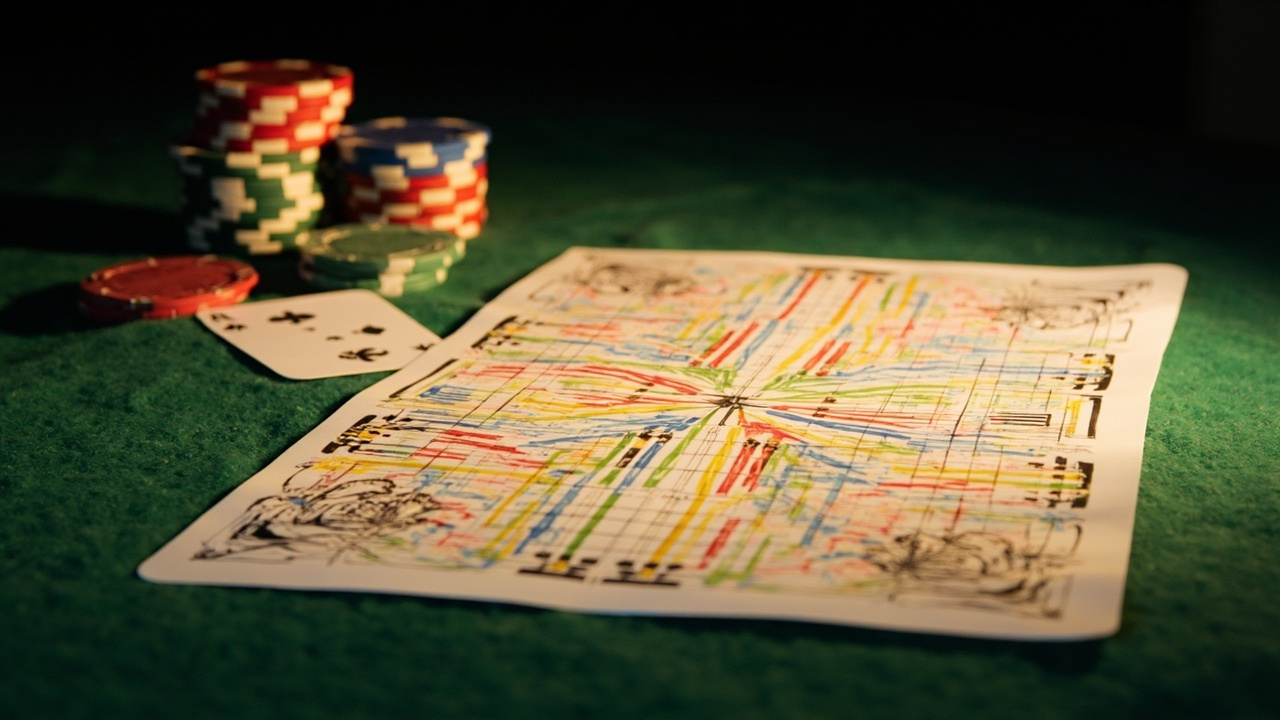
A proper blackjack basic strategy chart strips away guesswork by telling you the mathematically correct move for every dealer upcard and your own hand total. The layout is usually split into hard totals, soft totals, and pairs, and the columns run across the dealer’s visible card from two through ace. You are not betting on intuition here; you are matching your total to the column and taking the hit, stand, double, or split that minimises long-term loss. I have seen affiliate channels push these charts as if they are a secret weapon, but the real value is boring consistency - playing the same correct decision every time rather than chasing a lucky streak. The trick is learning the chart in chunks, starting with the hard totals where the decisions are most frequent, then layering in the soft hands and pair splits once the muscle memory settles.
The chart looks clean on paper, but a busy Saturday arvo at a suburban Adelaide club can test whether you actually remember it when the dealer is burning through hands and the noise is up a notch. I was at a backyard barbie last month when my mate Dave, who plays a few hours a week at a local venue, shook his head at the table next to ours. “You’re standing on sixteen against a dealer five?” he asked, stirring his flat white. “Mate, the chart says hit every time, and you’re just handing the house a free go.” I nodded, because that exact spot is where most casual players fold to gut feeling, and it is also where the chart does its heaviest lifting. In Australian live settings you will usually see multi-deck shoes rather than single-deck pitch, which shifts a few doubling and splitting thresholds, so a chart built for six or eight decks is the one worth memorising. The dealer’s upcard drives everything, and if you are treating a soft eighteen like a hard total you are already drifting off the correct line.
A blackjack basic strategy chart only matters if the table you sit at actually respects standard rules, and that is where the lobby and bonus mechanics start to matter for an Australian player. Some lobbies bury the real table mix under a wall of slots and live dealer titles, so you need to search for the blackjack variants that pay 3:2 and run on a sensible number of decks rather than settling for a 6:5 single-deck novelty that quietly inflates the edge. I have managed country accounts where bonus terms looked generous on the surface but tied you to high wagering on slots, which is useless if your edge comes from disciplined table play. A chart is a tool for the felt, not a workaround for a bonus that forces you into games where the house edge is already stacked against you. When you are weighing a site, look for a lobby that lets you filter by table rules, a registration flow that does not bury the terms, and payment options that settle in a currency you actually use, because a chart will not rescue you if the platform’s real offering is a slot-heavy funnel disguised as a table-friendly room.
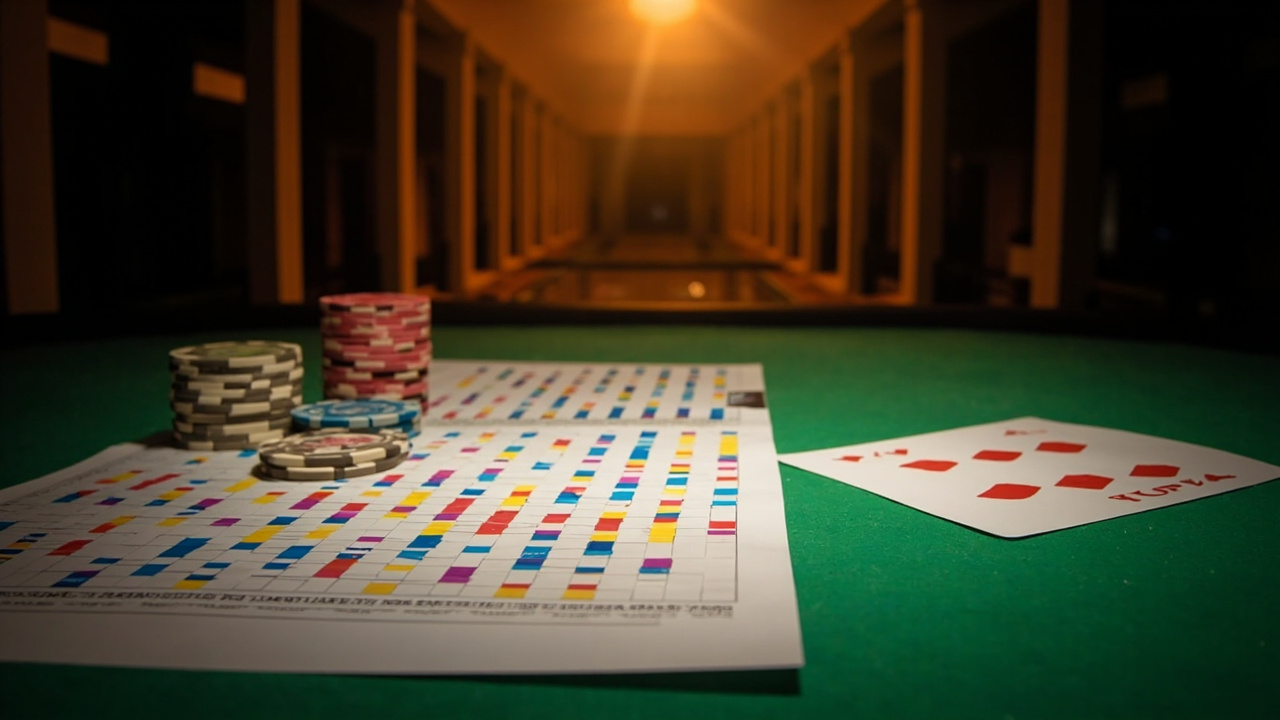
A blackjack basic strategy chart is not a promise of steady wins; it is a way to make the correct play more often than the wrong one, which is the only honest edge a player can carry to the table. “Beginner’s luck” can make a first session look better than it is, but the chart is what keeps you from undoing those early wins with impulsive doubles and stubborn stands. If you treat the chart as a baseline and adjust only for genuine rule differences rather than mood, you are playing with your eyes open. The rest is bankroll discipline, table selection, and knowing when the arvo has run long enough to leave the felt with your head intact.