Australians chasing progressive payouts want clarity, not hype. Popular pokies with jackpots sit at the intersection of volatility, contribution rates, and real-time pool tracking, and that mix rewards players who understand the maths before they press spin. Here’s a grounded look at what actually moves the needle.
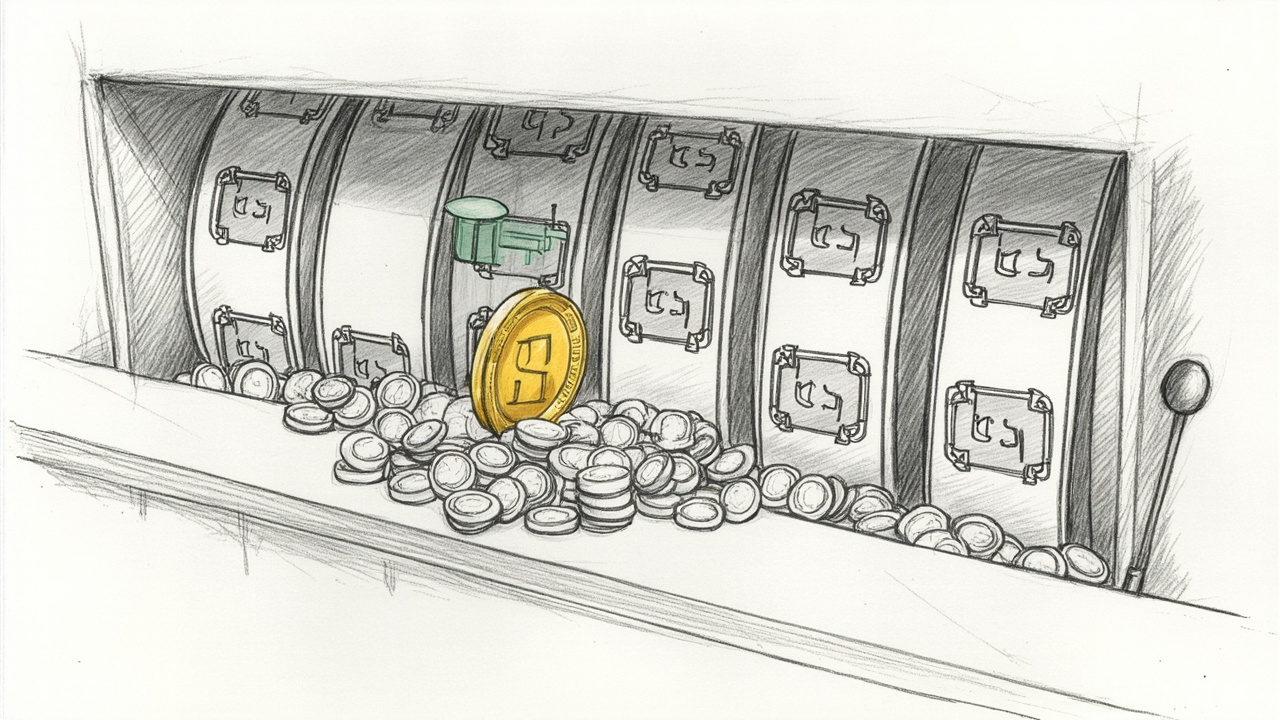
The architecture behind popular pokies with jackpots is less about flash and more about contribution logic. A local progressive builds from a fixed slice of each stake across a defined cabinet cluster, while a wide-area pool shares a percentage across multiple venues or operators, which stretches the prize but thins the hit frequency. From a development standpoint, I’ve seen slot teams tune the seed value, increment curve, and reset threshold so the pool grows at a pace that keeps session interest without promising impossible returns. That same discipline matters when you compare Australian practice with the United Kingdom, where operators must publish contribution percentages and display pool values more explicitly; here, the onus stays on the player to read the help screen and track the climb.
Isla Gibson, Responsible Gambling Adviser, Oceanic Gaming Strategy, puts it plainly: “A jackpot feature is only as transparent as the rules behind it, and players should treat the advertised prize as a moving target, not a promise.”
When you’re weighing popular pokies with jackpots, the practical question is whether the pool’s growth rate matches your session length and bankroll tolerance. A tight local progressive can hit more often at smaller values, while a networked pool may sit higher for longer and reward patience rather than pace. I’ve reviewed builds where the increment was calibrated so heavily that the displayed figure barely moved during a normal arvo session, which tells you more about the design than the marketing. The maths says jackpots are a long-tail event; the interface should say the same without dressing it up.
Local progressives suit players who want a defined cluster, a visible pool, and a contribution rate that actually shifts the number between visits. The appeal is predictability in scope: you know which cabinets feed the pool, you can watch the figure climb across a weekend, and you can size your stake to the volatility rather than chasing a distant headline. In my production work across Asia and Europe, I’ve seen cabinets where the seed and increment were balanced so the pool felt alive without inflating expectations; that balance is what separates a useful local progressive from a gimmick. If you’re playing in Canberra at a licensed venue, the local setup usually means the pool is tied to a specific floor or machine group, which keeps the maths legible and the session manageable.
Wide-area pools cover more machines and more venues, so the prize climbs higher but the path to a win stretches out. That structure rewards players who treat the jackpot as a background feature rather than the whole session, sizing stakes to the base game and letting the pool do its slow work. I’ve compared these builds with New Zealand’s approach to pool visibility, where clearer display norms help players gauge whether the climb is worth their time; the lesson transfers here if you read the screen carefully and keep expectations tied to the contribution rate. Oliver Campbell, Managing Partner, Eucalypt Digital Advisory, notes that pool design is a retention tool first and a prize engine second, which is why the best setups keep the base game engaging even when the jackpot sits quiet.
| Pool Type | Typical Scope | Contribution Feel | Session Fit |
|---|---|---|---|
| Local progressive | Single venue or cabinet cluster | Visible, steady climb | Shorter, focused sessions |
| Wide-area pool | Multiple venues or operators | Slower, larger prize | Longer, patient play |
| Standalone max | One machine, fixed ceiling | Self-contained growth | Solo jackpot targeting |
The fit comes down to pace, stake discipline, and how much you care about watching a number move. Popular pokies with jackpots work best when the pool’s behaviour matches your session style rather than your wish list. If you prefer a defined window, a local progressive with a readable contribution rate keeps the maths honest; if you’re happy to let a wider pool run in the background, the same discipline applies to your base-game staking so the feature stays a feature, not a strategy. Hannah Walker, Compliance Director, Southern Reef Gaming, reminds operators and players alike that jackpot terms, contribution logic, and display rules need to be legible before any spin, because clarity is what keeps the experience grounded. doghousemegawaysdemo.net
For an Australian player, the practical move is to treat the jackpot screen as part of the game’s rules, not its sales pitch. Read the pool type, note the contribution, and decide whether the climb suits the time and bankroll you actually have. That approach keeps the session enjoyable without pretending the maths bends to impatience.
A solid jackpot pokie earns its place by showing its work: clear pool type, honest contribution, and a base game that holds up when the top prize is quiet. If the display, the stake range, and the session length line up, popular pokies with jackpots can be a sensible way to play; if they don’t, the smart call is to find a setup that does.